What is Play Therapy?
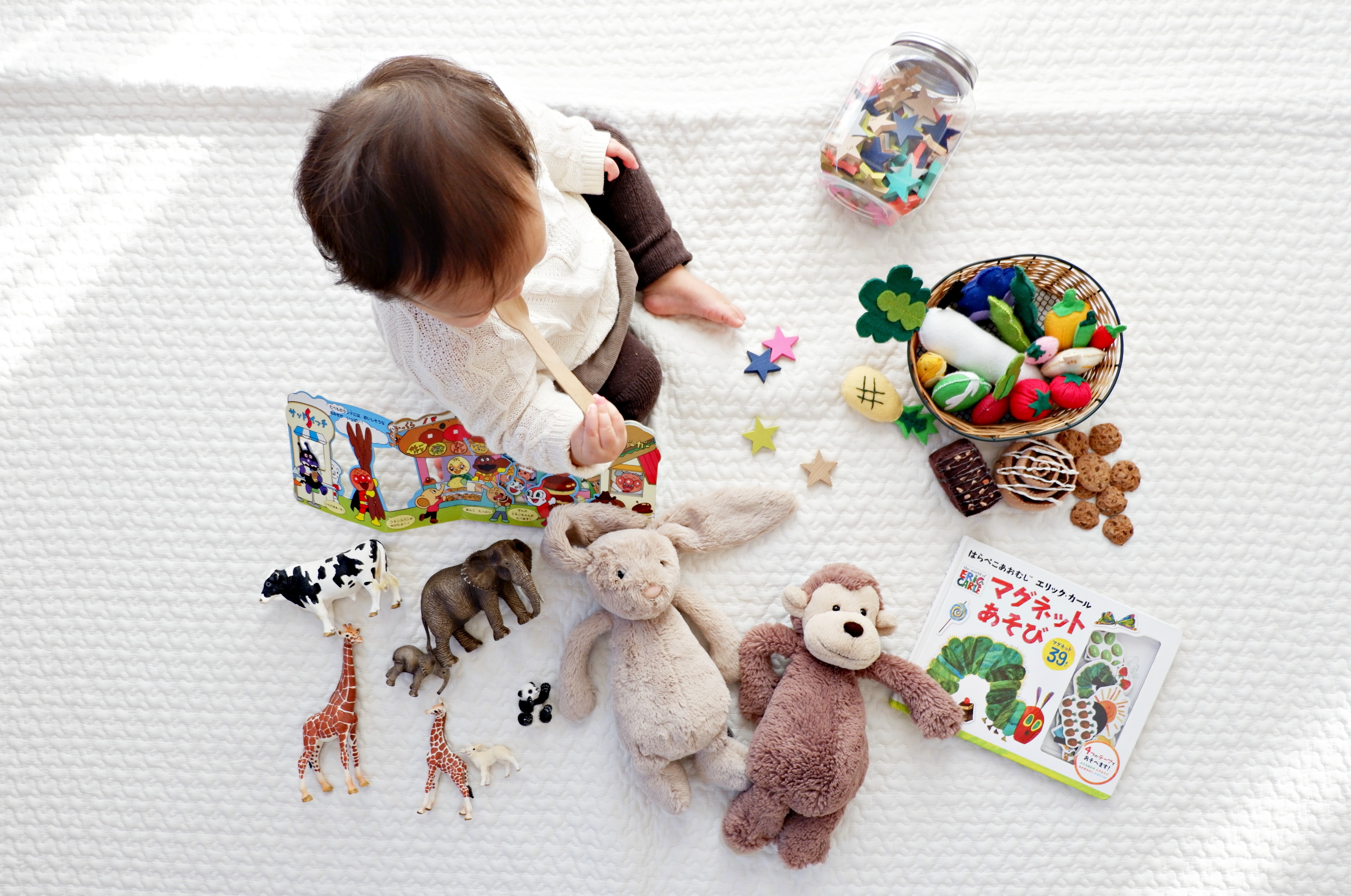
Child Centred Play Therapy is both a basic philosophy of the innate human capacity of children to strive towards growth and maturity, and an attitude of deep belief in children’s ability to be constructively self-directive. The natural medium of communication for children is play and activity. Play is the singular central activity of childhood. Play is spontaneous, voluntary, and not goal directed.
Through play, children explore and orient themselves to the actual world of time and space, people, animals, and structures. By engaging in the process of play, children learn to live in our world of meaning and values, at the same time exploring and experimenting and learning in their own individual ways.
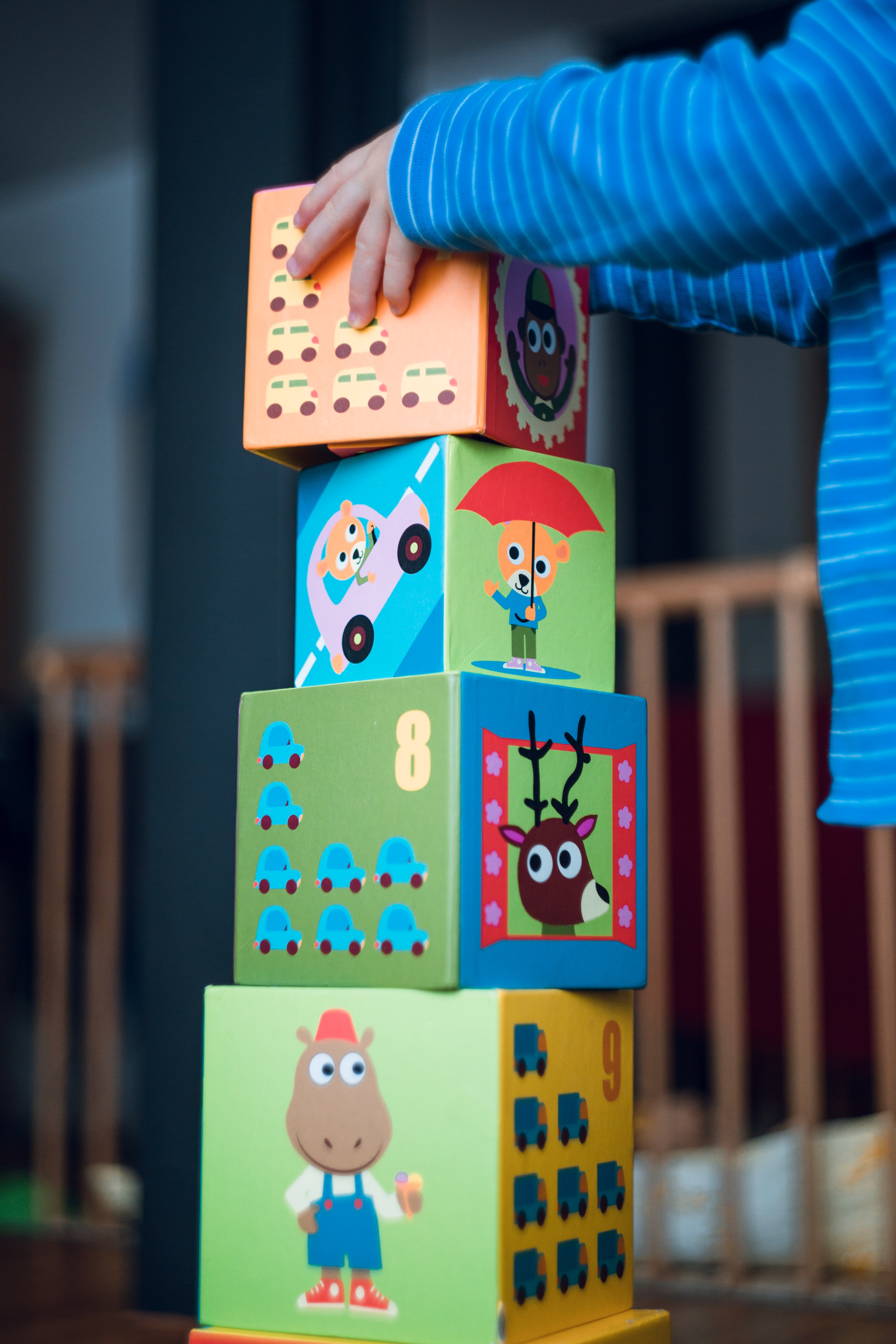
In play, children discharge energy, making sense of experiences, relieve frustrations, act aggressively in socially acceptable ways, develop coping strategies, disclose wishes, achieve goals, and develop skills. Through free play children are releasing the feelings and attitudes that have been pushing to be let go into the open. Children’s feelings often are inaccessible at a verbal level, developmentally they lack the cognitive, verbal facility to express what they feel.
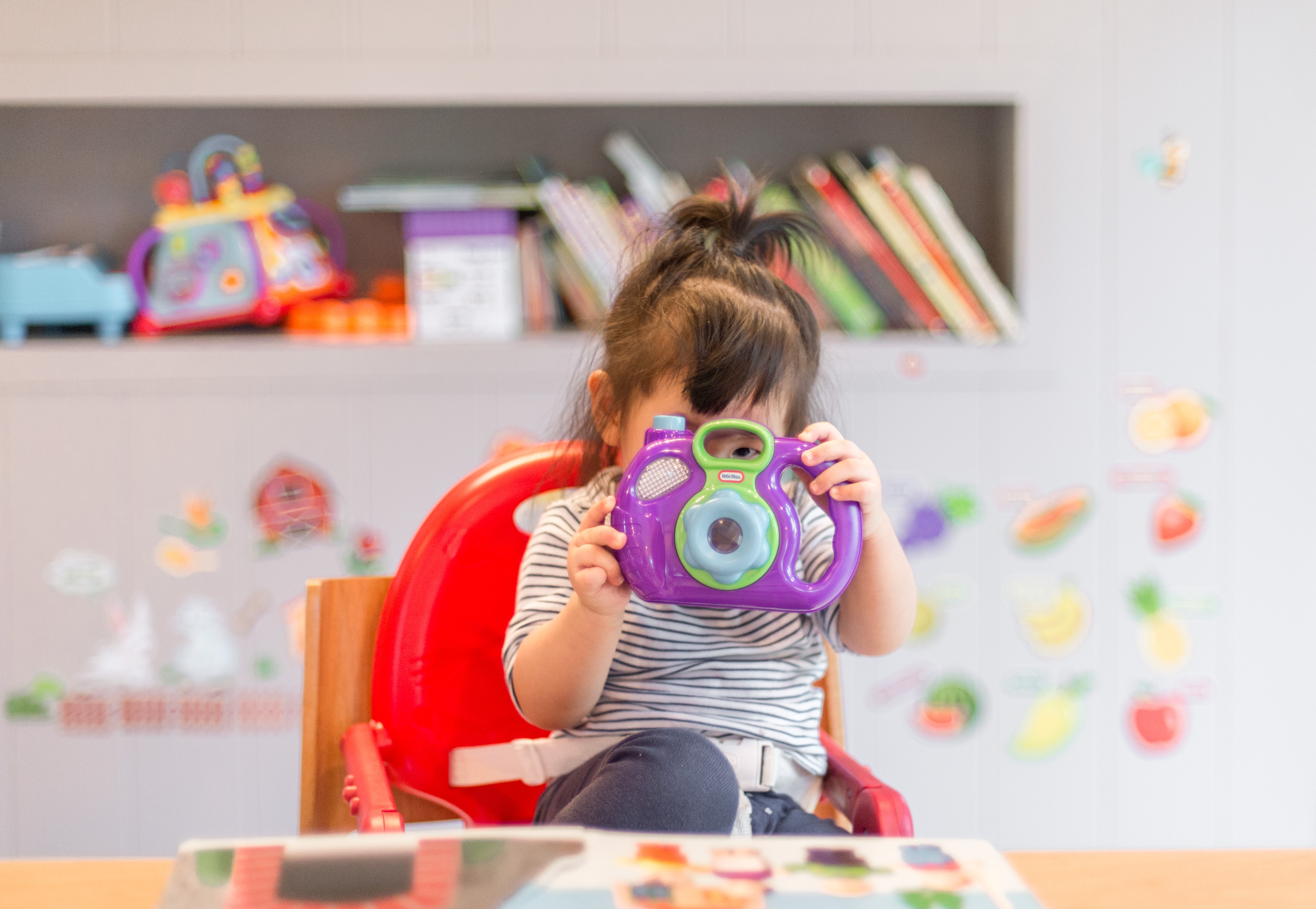
“Toys are used like words by children, and play is their language“
Play Therapy is defined as a dynamic interpersonal relationship between a child and a therapist trained in play therapy procedures, who provides selected play materials and facilitates the development of a safe relationship for the child, to fully express and explore their self (feelings, thoughts, experiences, and behaviors) through play, the child’s natural medium of communication, for optimal growth and development.
How Can Play Therapy Help?
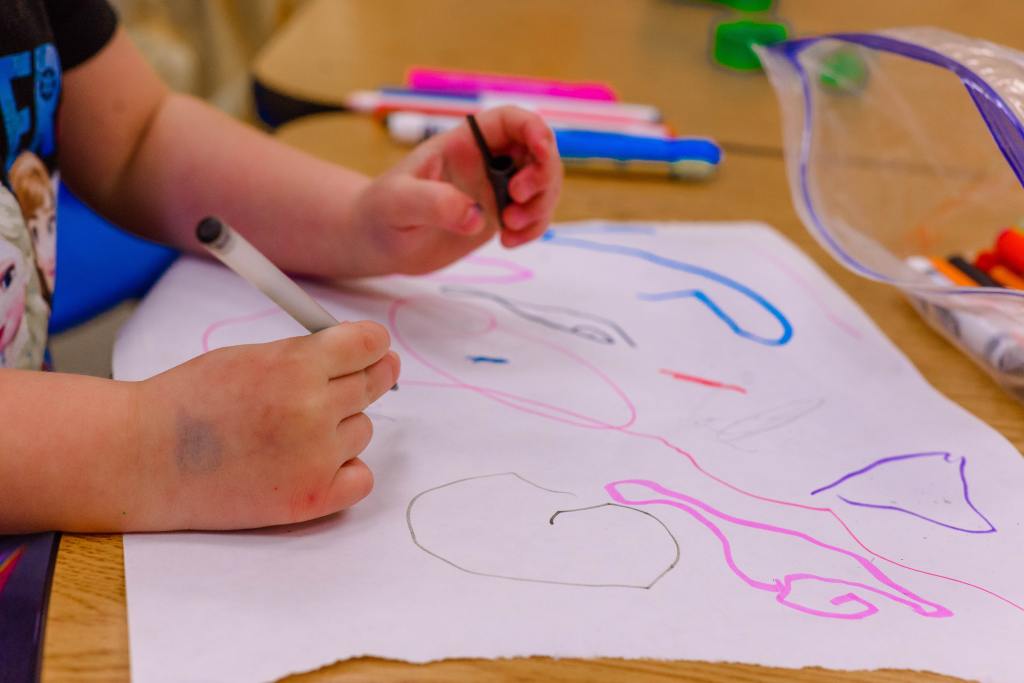
Play helps children to “act out” situations which are conflicting, disturbing, or confusing to them. For children to “play out” their experiences and feelings is the most natural dynamic and self-healing process in which they can engage.
The objectives of the play therapist is to relate to the child in ways that will release the child’s inner-directional, creative, forward-moving, and self-healing capacity in a safe environment. Children are then empowered and their developmental capabilities are released for self-exploration and self-discovery, resulting in constructive change. How a child feels about themselves guides their behaviour (Landreth, 2012).
Some Goals Of Play Therapy
Play Therapy aims for children to:
- Develop a more positive identity and self-concept
- Become more self-accepting and develop trust towards others
- Become more self-reliant i.e courage to explore
- Develop awareness of their feelings and self-regulate their emotions
- Develop the ability for self-control and self-responsibility
In Play Therapy, children have the opportunity to:
- Learn to vocalise their feelings, wishes and wants
- Express their thoughts and feelings through play
- Learn and practice problem-solving skills
- Explore power and control through play
- Connect and bond to others i.e attachment
“The natural medium of communication for children is play and activity.”
– G.L Landreth
Information for Parents
About the Play Therapy Room
The Play Therapy room is an exciting and safe environment containing toys, games and art activities for all ages. The children have the freedom to choose what they wish to do during each session. Parents are asked to stay and wait while the child is in therapy.
How Often are the Play Therapy Sessions?
In Child Centred Play Therapy, children attend weekly or fortnightly and move to sessions ideally scheduled at the same time each week. A consistent and predictable session is important to facilitate a safe and structured environment for the therapy.
How Many Sessions Should my Child Attend?
It is difficult to accurately predict how long Play Therapy may take as it is dependent upon the individual child. For your child to progress and experience change, the recommendation is commitment to weekly or fortnightly Play Therapy sessions for a minimum of 8 weeks and may span to 12 weeks.
If you have any further questions about Play Therapy or General Counselling, you are welcome to contact Heli on 0403 874 318
References
Landreth, G. L. (2012). Play therapy: The art of relationship (3rd ed.). Routledge/Taylor & Francis Group.
 Creative Play Therapy & Counselling WA